Streamlining trip planning: creating a mobile travel itinerary app
Developed a mobile app that streamlines travel planning, enabling travelers to effortlessly organize schedules, activities, and accommodations in one place.
Timeline:
Role:
UX Designer
Team:
2 UX Researchers, 2 Web Developers
Skills:
Product
Design
FINAL SOLUTION
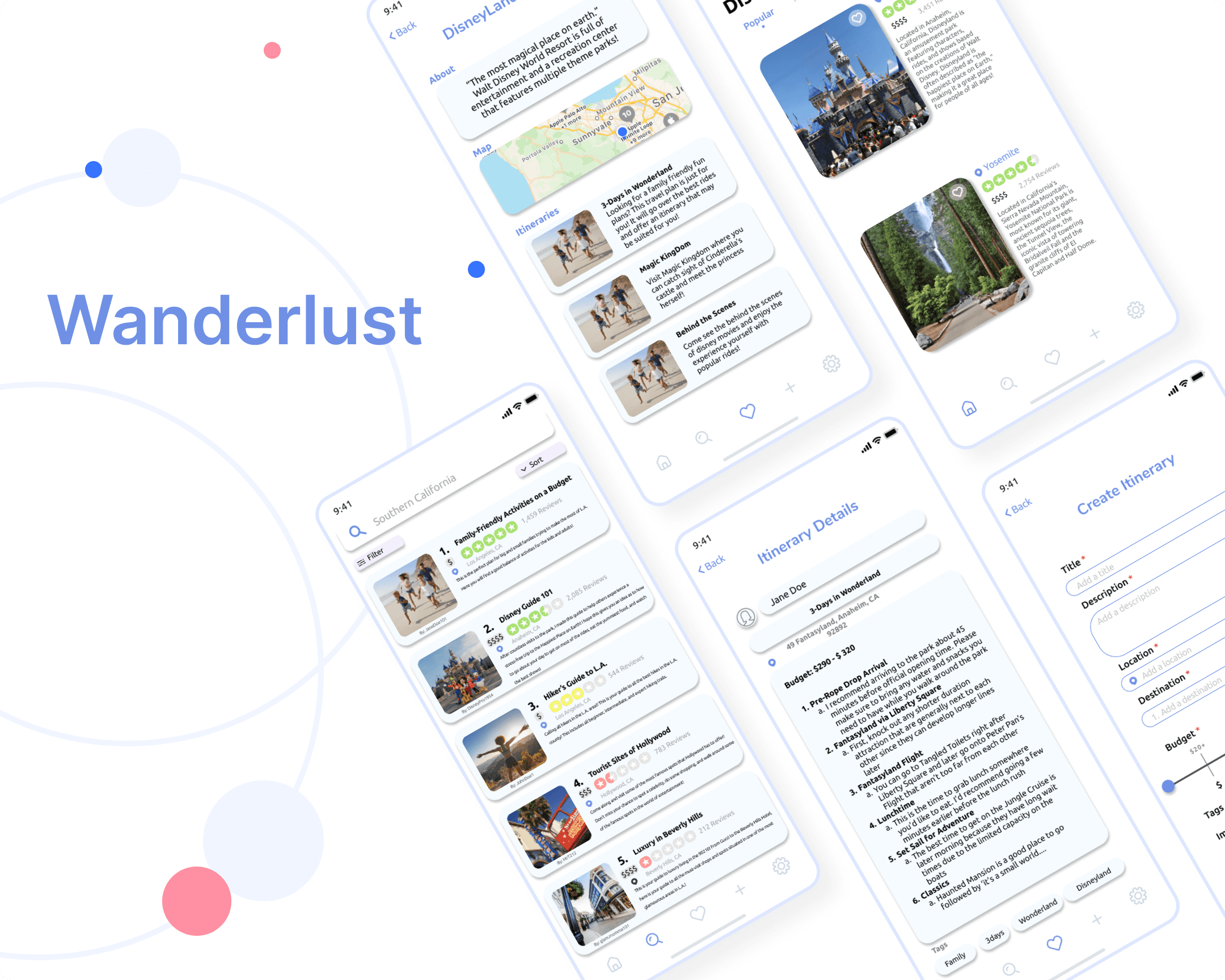
Wanderlust
Wanderlust is a travel itinerary app designed to help users easily plan, organize, and share personalized trips, keeping all destinations, activities, and accommodations in one intuitive platform.
BACKGROUND
What if travel planning could be easier?
Travel planning can be overwhelming, with destinations, activities, and accommodations scattered across multiple tools. This project was inspired by the need for a simple, intuitive app that lets users create and manage personalized itineraries all in one place.

Image from freepik
Brainstorming
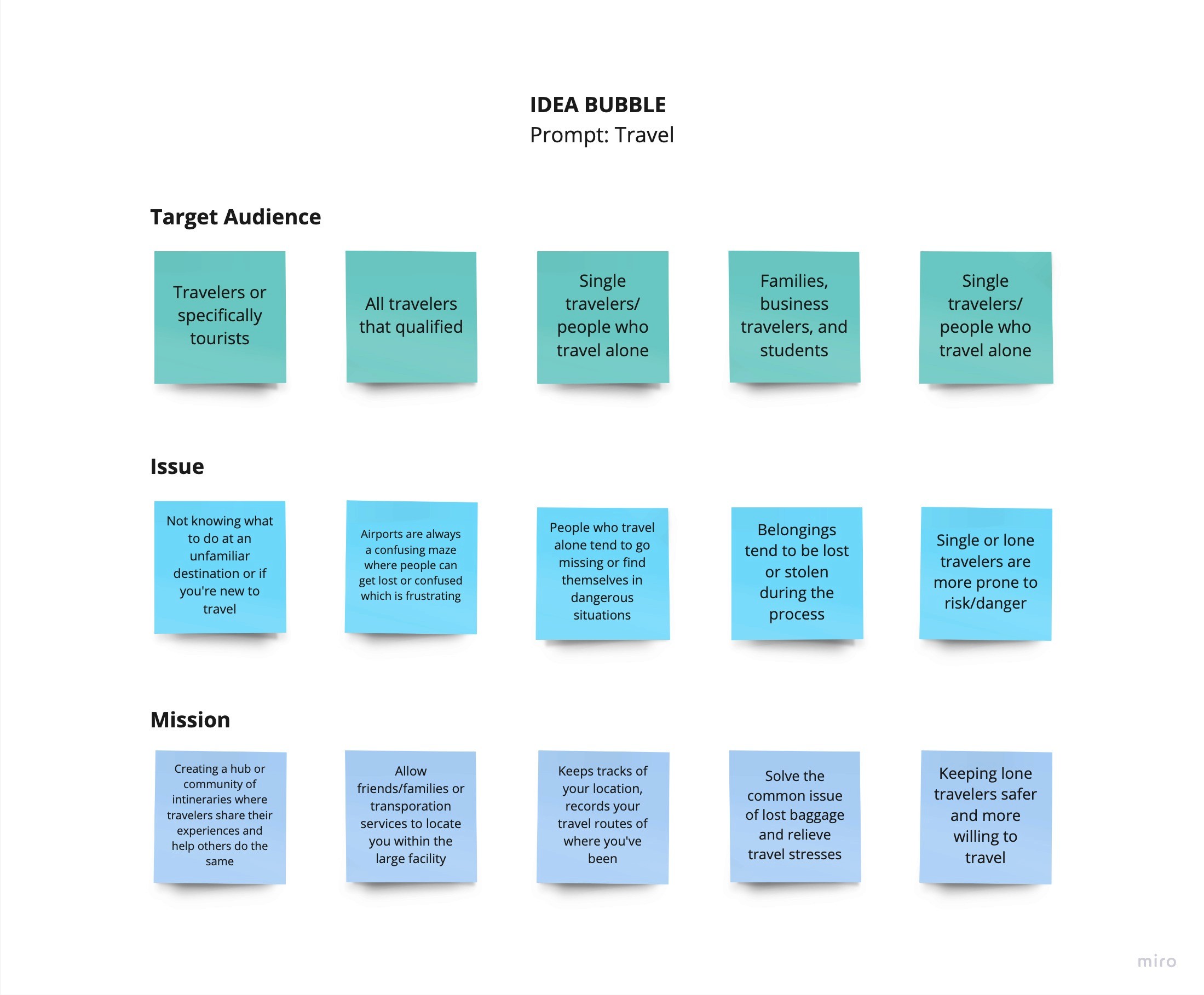
We began by brainstorming various challenges travelers face, from navigating destinations to managing accommodations and activities. After discussing multiple pain points, we reached a consensus that simplifying trip planning through a centralized, user-friendly itinerary app would have the most impact.
The goal
Target Audience
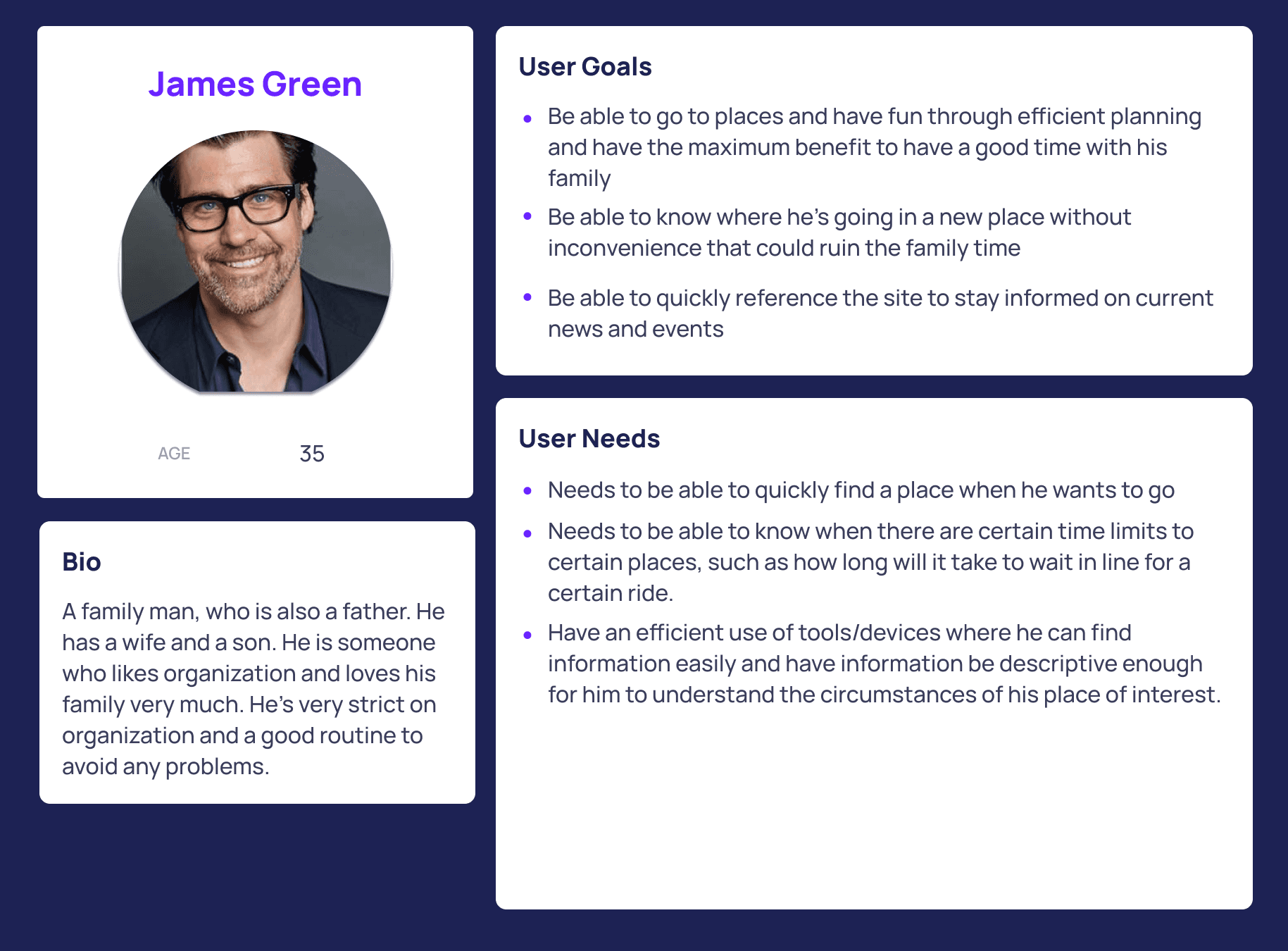
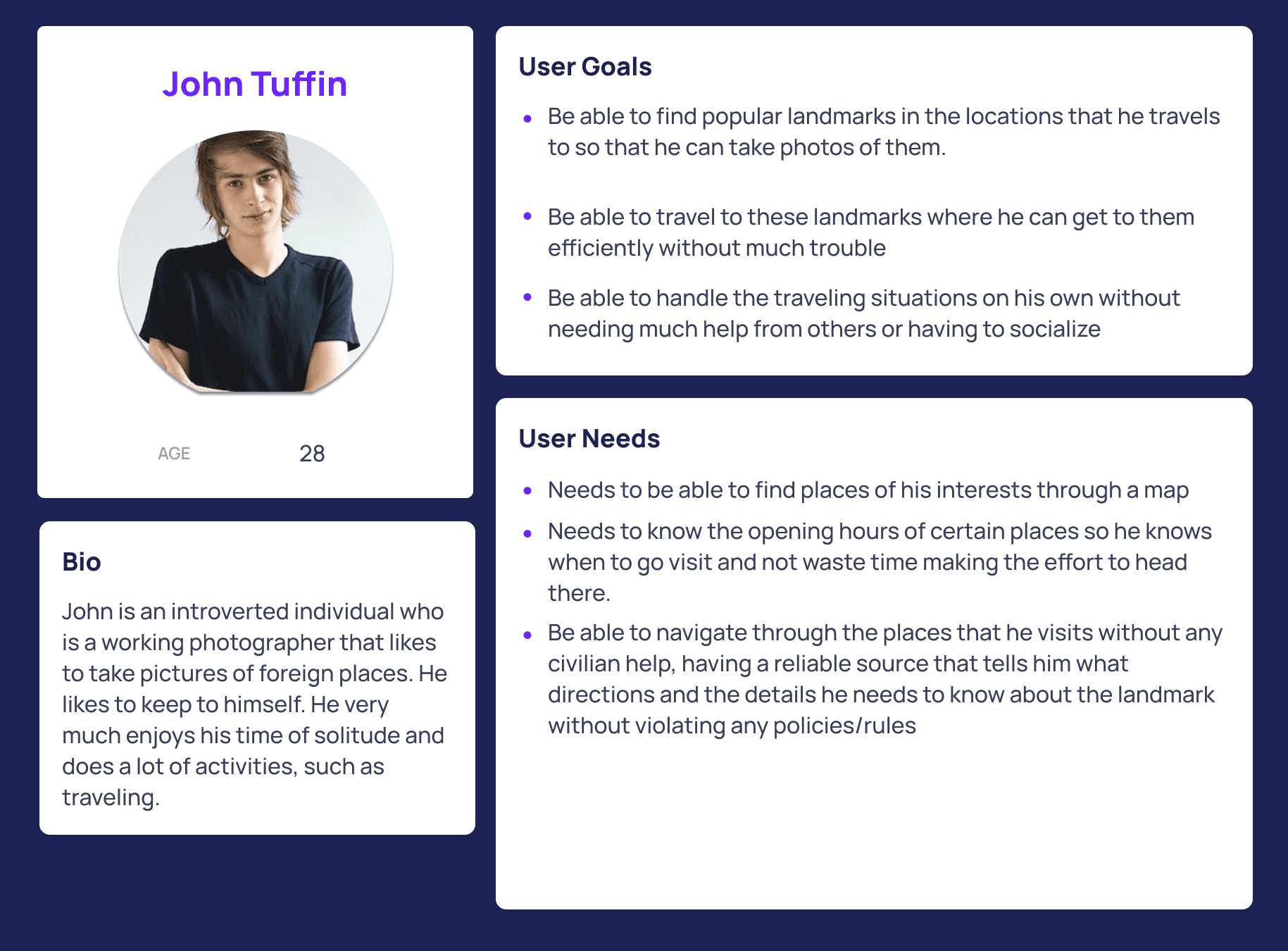
While our app aims to serve all travelers, we chose to focus on two specific groups: those organizing trips for large parties and individuals who are new to traveling.
Scoping the project
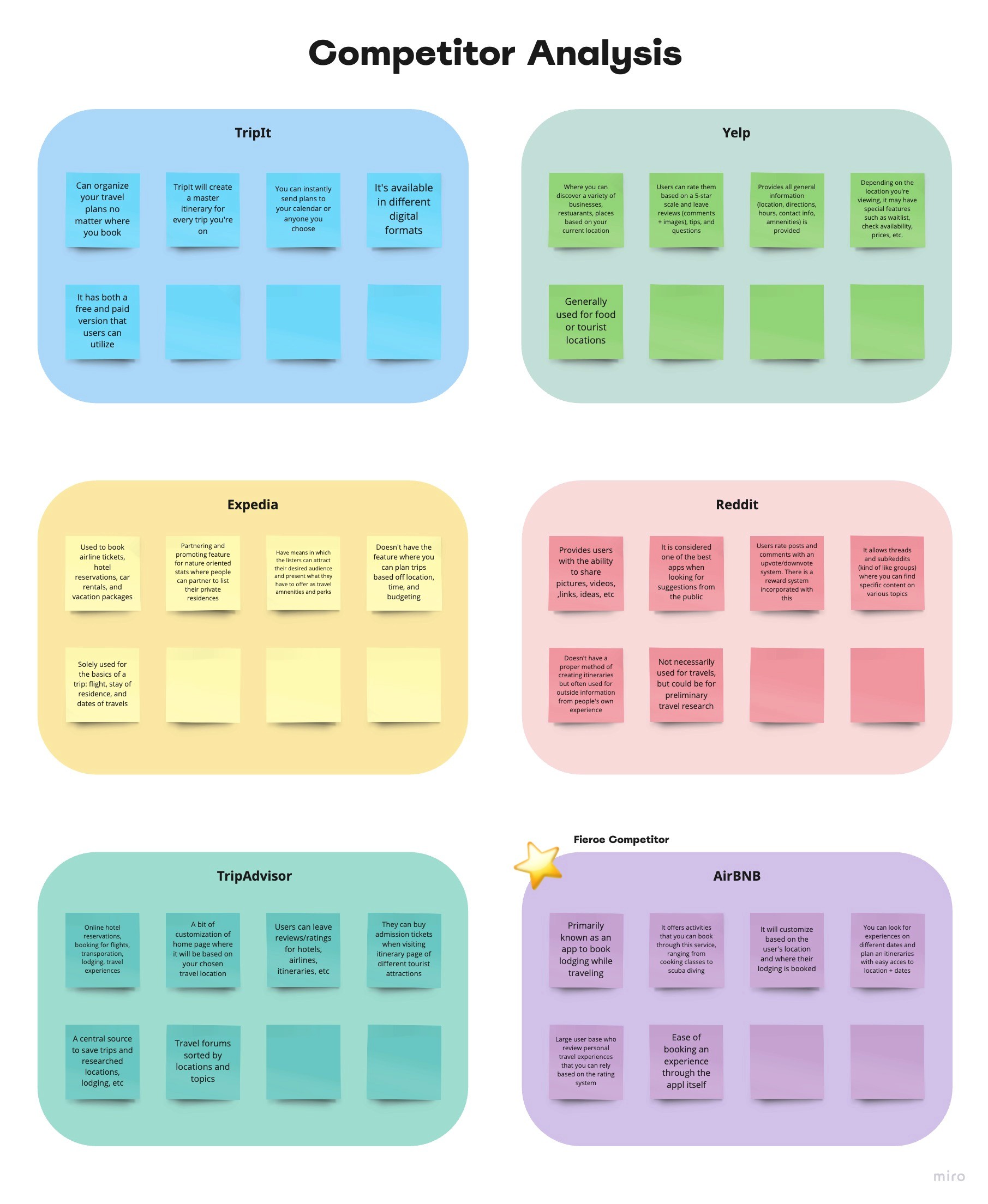
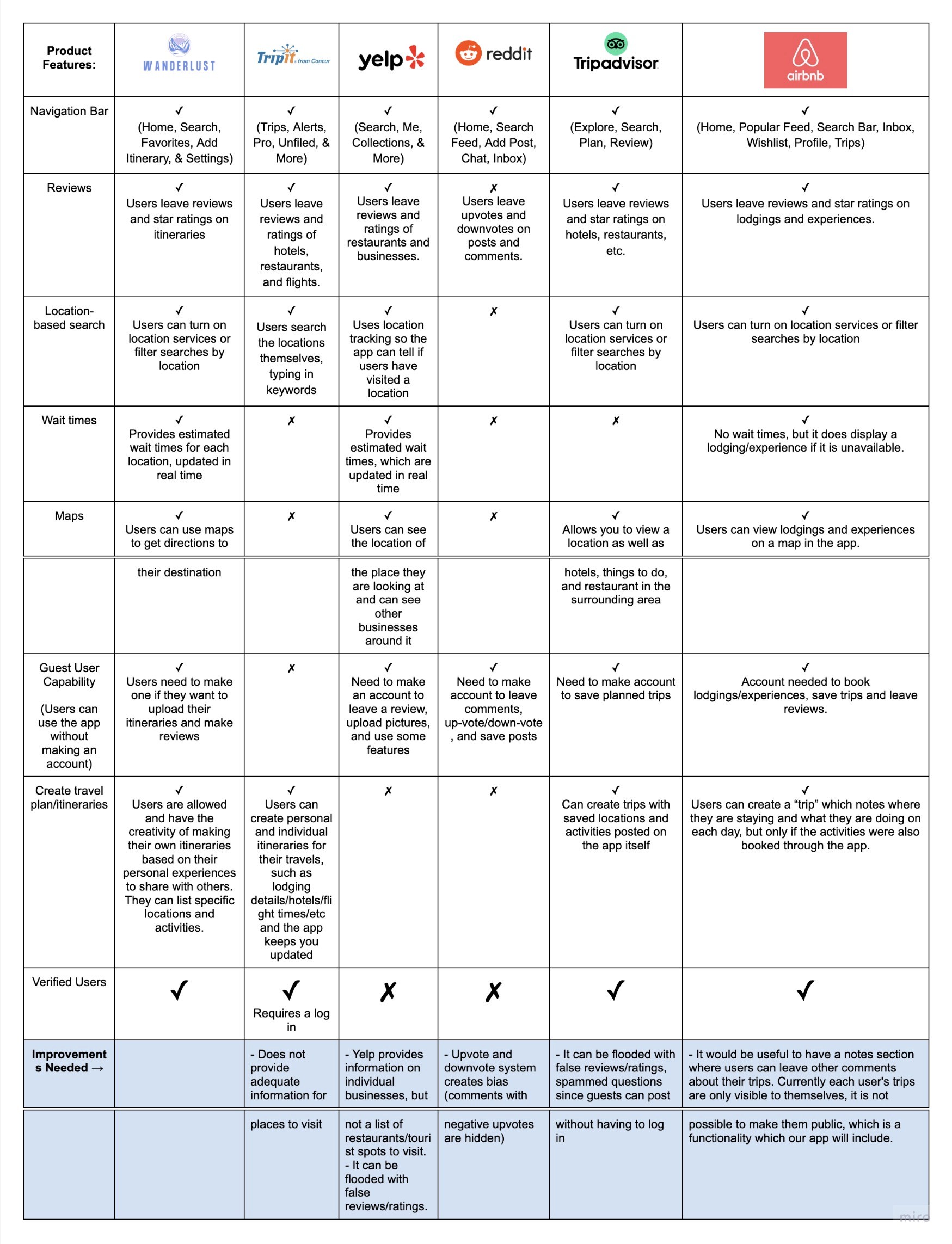
We explored how these services support travelers in planning their trips, from selecting destinations and managing accommodations to scheduling activities and organizing itineraries, showcasing the variety of features they offer to enhance the overall travel experience.
And so we ask..
User flow
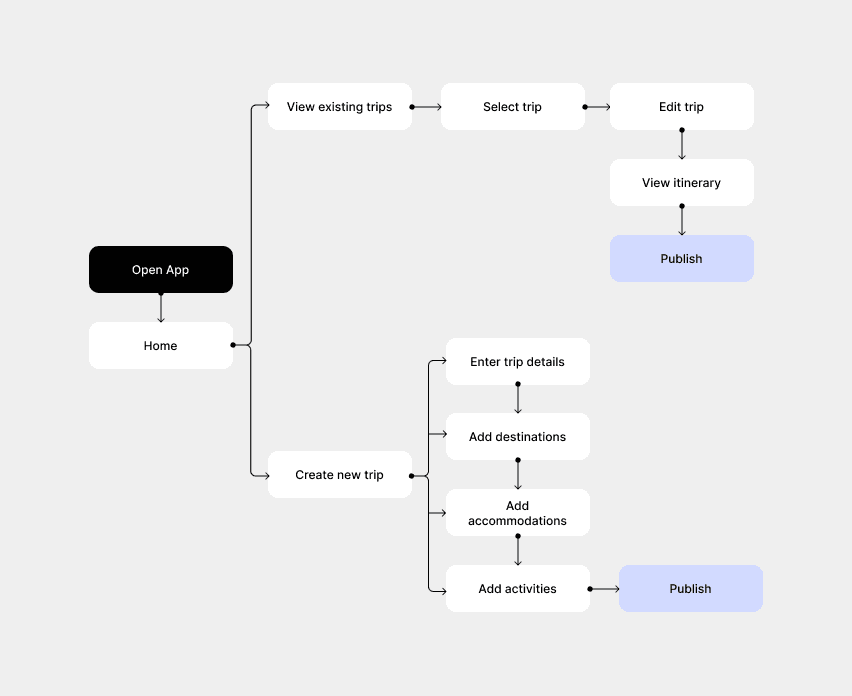
This user flow maps how travelers can easily create, manage, and share trips, guiding them through adding destinations, activities, and accommodations.
DESIGN SYSTEM
Visuals & Branding
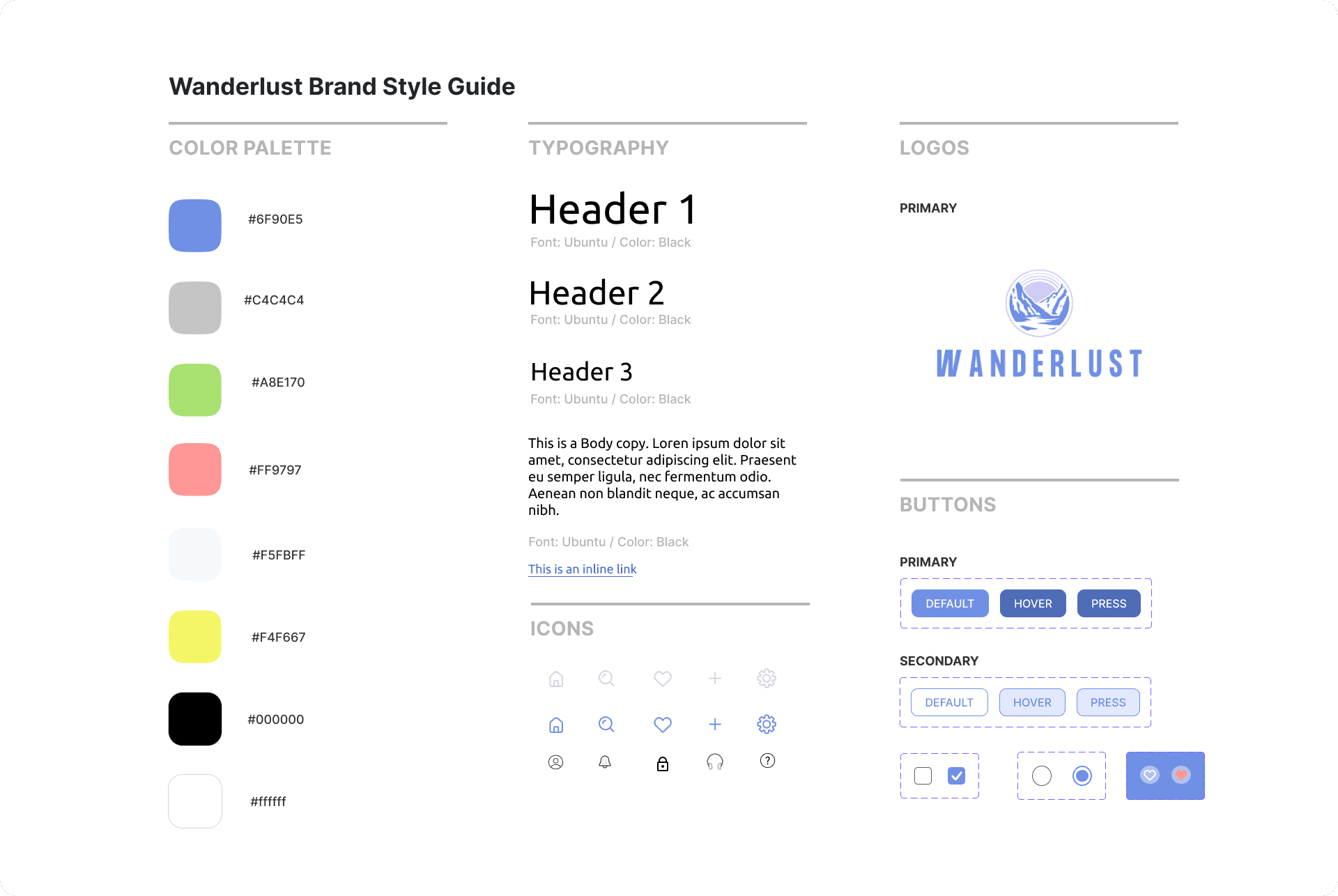
Inspired from mountainous biomes characterized by a palette of cool colors.
MID-FI DESIGNS
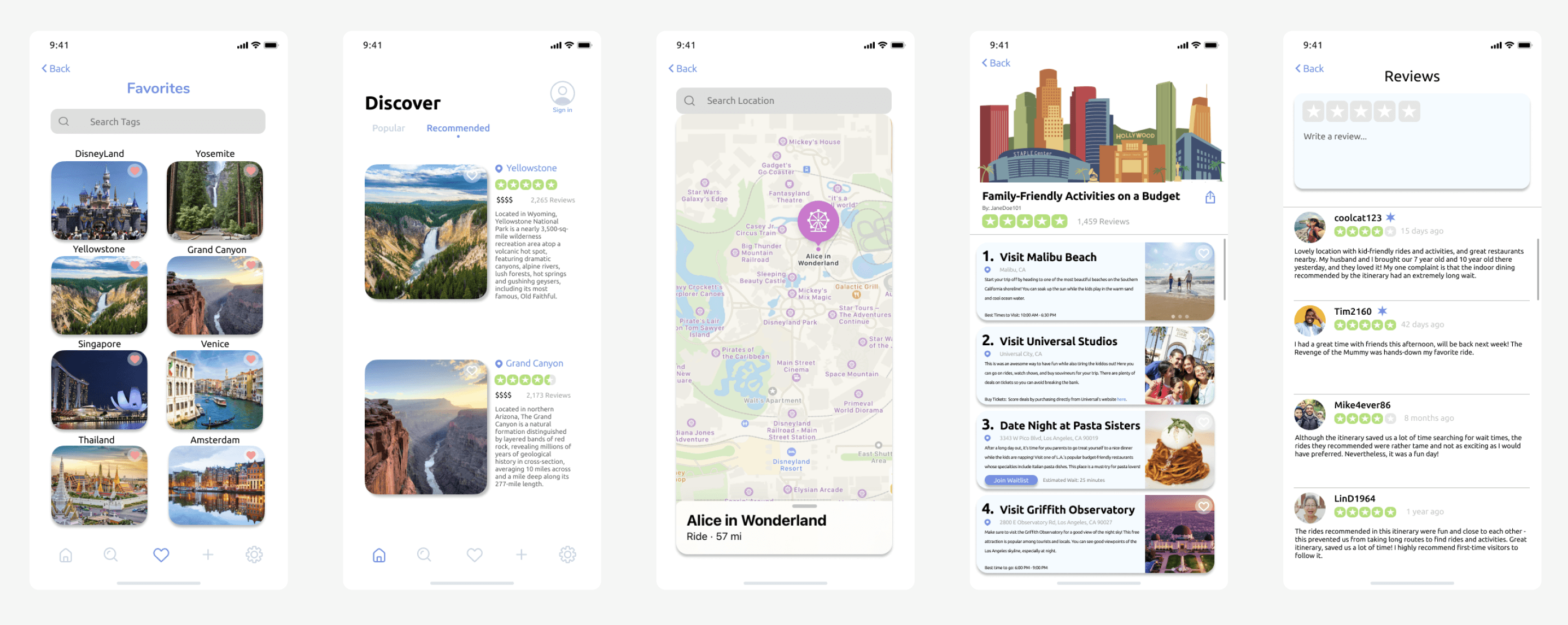
Key features we focused on included integration with real-time information such as local events and travel advisories, personalization options that allow users to tailor their itinerary based on individual preferences, and feedback and reviews to enable users to share experiences and insights.
USABILITY TESTING
What did users have to say?
After building a functional prototype, we invited 6 individuals who have traveled to participate in usability testing. The sessions focused on how users interacted with the app while creating and managing itineraries, uncovering areas of confusion or difficulty.
Results:
6/8 users said itinerary creation was intuitive, praising the clear layout. |
The interface was clean and easy to read, making trip organization straightforward. |
4/8 users said some features, like collaborative sharing, were hard to find. |
Users mentioned unclear labels on icons and buttons that caused minor confusion. |
REFLECTION
What did I learn?
In-Depth user testing
Given more time, conducting additional rounds of usability testing with carefully targeted audiences would be highly valuable. This would allow us to gain deeper insights into travelers’ behaviors, preferences, and pain points, helping to validate design decisions and guide further refinements..
Refining the design scope
Due to the limited time available in the course, we had to move quickly through the design process, skipping detailed sketches and low-fidelity wireframes. While this accelerated prototyping, it likely caused us to overlook key interactions and components that could have enhanced the overall usability and visual coherence of the final prototype. Revisiting these steps would allow for a more thorough exploration of ideas and improved user experience..
Product thinking
This project reinforced the importance of balancing time constraints with thorough, user-centered design practices. I gained experience in brainstorming and developing solutions that align user needs with business goals, understanding how technology can create value for both travelers and the business while working within real-world limitations.